Zirconia, Porcelain or Porcelain-Fused-to-Metal Crowns?
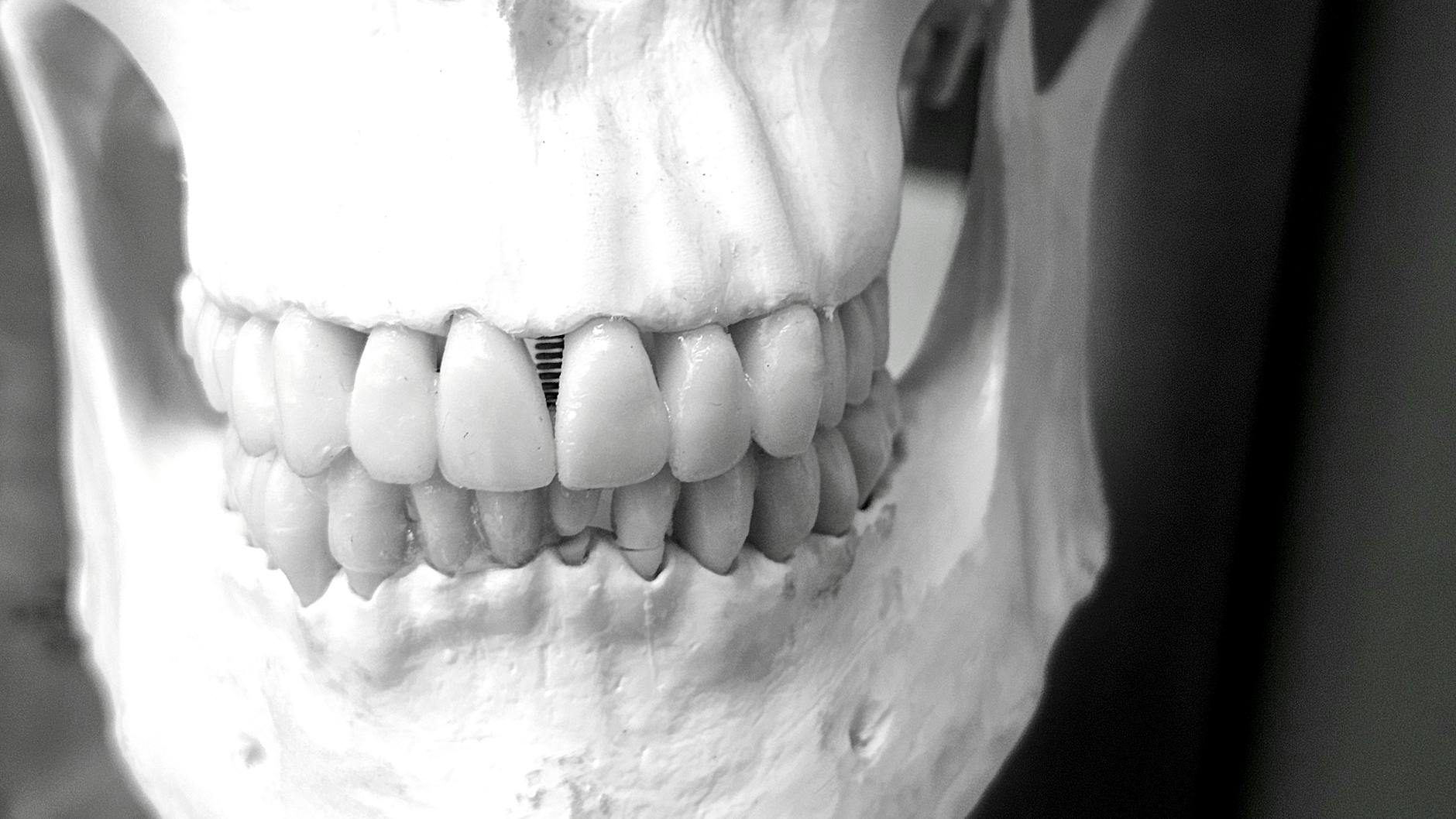
Zirconia, all-ceramic and porcelain-fused-to-metal crowns are not simply three price levels. They transmit light differently, use different structures and may suit different clinical situations. A good decision does not come from a universal online ranking. It depends on the position of the tooth, the bite, gum condition, the colour underneath and the patient's expectations. Before comparing materials, the dentist should also establish whether the tooth genuinely needs a full crown.
What does an all-ceramic crown mean?
Patients often use porcelain as a general name for any tooth-coloured crown, but dental ceramics include several material groups. Highly translucent ceramics can reproduce the way natural enamel interacts with light and may be particularly useful in the front of the mouth. Their strength, required thickness, available enamel and bonding conditions must be considered alongside their aesthetic potential.
How is zirconia different?
Zirconium-dioxide-based dental ceramic combines a light, metal-free base with high mechanical strength. There are stronger and more opaque forms as well as more translucent aesthetic versions, so zirconia is not one uniform material. It can be used for single crowns, selected bridges and implant restorations. Masking a dark tooth stump may call for a different type from restoring a naturally coloured incisor.
What does porcelain-fused-to-metal offer?
A PFM crown has an inner metal framework covered by tooth-coloured ceramic. It is a long-established technology that can provide reliable function when it is designed and made correctly. Its metal framework transmits less light, and a darker margin may become visible if the gum recedes. Any suspected sensitivity or confirmed metal allergy should be discussed before treatment planning.
Factors that should guide the choice
- tooth position and visibility in the smile;
- chewing load, clenching and grinding;
- colour and condition of the supporting tooth;
- thickness and contour of the gum;
- whether the restoration is a crown, bridge or implant crown.
There is no material that wins in every situation. A accurately made PFM crown used for the right indication can be more successful than a more expensive ceramic chosen for the wrong reason. Similarly, the most translucent material may not be suitable when a dark foundation must be hidden or heavy forces are expected. Clinical assessment and laboratory expertise are both essential.
How is the restoration planned?
The dentist checks whether the tooth is maintainable, examines old fillings, supporting tissues and the bite, and arranges imaging when indicated. In the aesthetic zone, photographs, shade guides and digital planning can improve communication with the laboratory. The prepared tooth is then recorded with a scan or impression. A temporary restoration protects it before the final crown is tried in and assessed for margins, contacts, bite, shape and colour.
Explore the main options on the Crown Dental treatments page. For a crown supported by an implant, the information about implant treatment is also relevant. Cost depends on the material, complexity and any preparatory care. Use the clinic's current official information and the individual plan issued after assessment rather than an old online price.
Questions worth asking before you decide
Ask why the proposed material suits this particular tooth, how your bite affects the choice and whether a partial restoration could preserve more healthy tissue. Clarify the temporary stage, shade assessment, expected try-ins and how modifications are handled. Ask how you will clean the margins and spaces and how often reviews are recommended. A useful consultation explains the limitations and reasonable alternatives as clearly as the benefits. This turns a product choice into a shared clinical decision based on your actual tooth.
Frequently asked questions about crown materials
Which crown looks the most natural?
A suitable all-ceramic material or aesthetic zirconia can look highly natural in the front region. The underlying colour, gum architecture and technical craftsmanship also influence the result.
Which material is the strongest?
Mechanical properties differ, but a strength number alone does not decide success. Correct thickness, design, bonding or cementation and balanced bite contacts are equally important.
Is PFM ruled out by a metal allergy?
A confirmed allergy requires discussion of the exact alloy and alternatives with the treating dentist. Do not decide solely from general internet advice.
Can different crown materials be used in one mouth?
Yes. Different regions may justify different choices, while careful planning keeps the colour and overall appearance harmonious.
Does a higher fee mean a better crown?
No. Cost matters, but clinical suitability, preservation of tooth tissue, precision and long-term cleanability are more important measures of value.
Unsure which material fits your needs? Arrange an individual assessment at the Crown Dental clinic in Esztergom through the online appointment form.
Let's take the first step towards your perfect smile!
Book an appointment for a specialist consultation where we answer all your questions and plan your new smile together.
Book Appointment