Zirconia Crowns: Aesthetic, Strong and Metal-Free
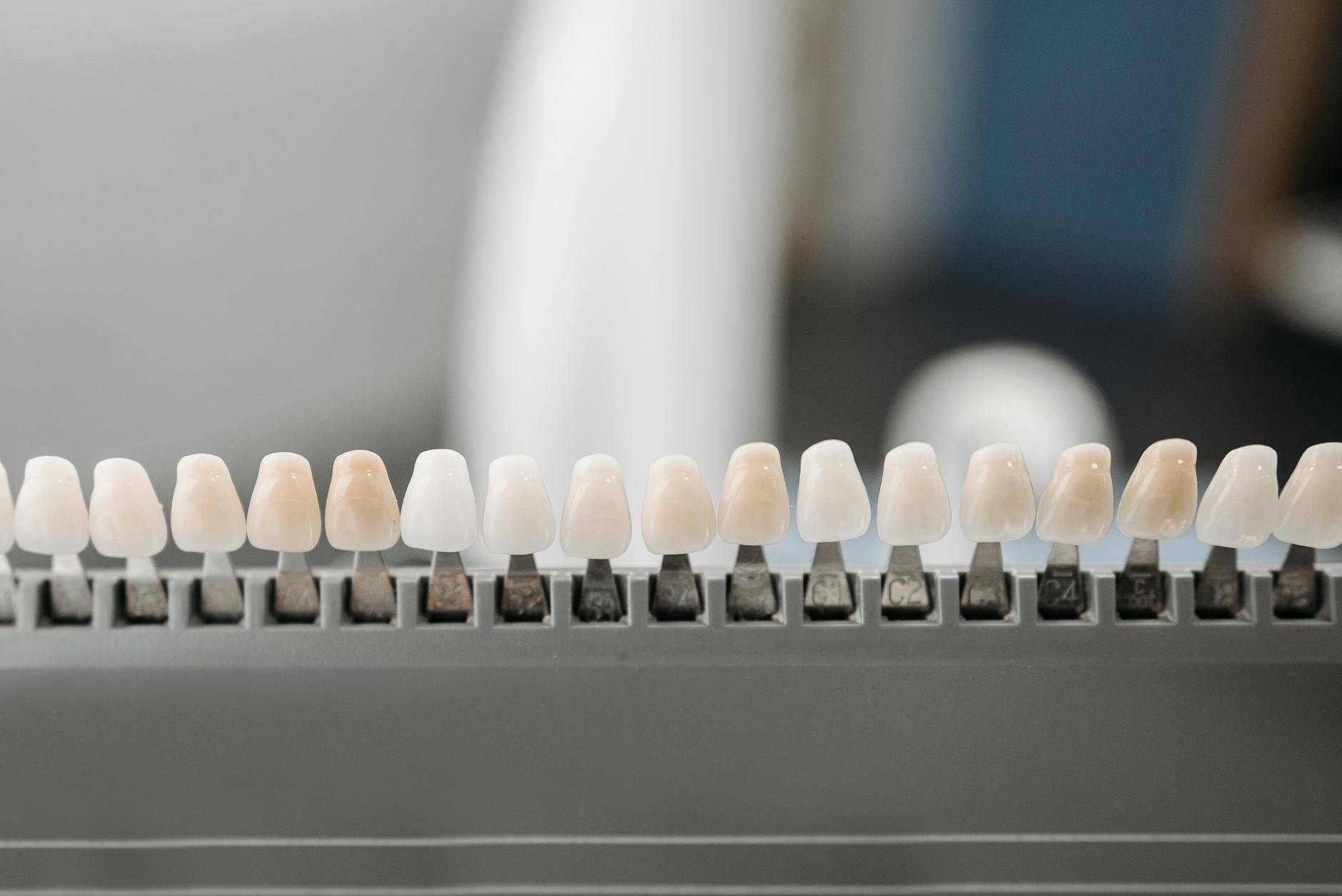
A zirconia crown can be a modern option for patients seeking a natural-looking, metal-free restoration with good strength when it is planned correctly. The material alone does not determine the outcome. The condition of the tooth, the bite, the gum line, precise tooth preparation and the dental laboratory work all matter. A responsible recommendation therefore follows an examination, appropriate imaging when needed, and a discussion of the realistic alternatives.
What is a zirconia crown?
A zirconia crown is made partly or entirely from dental ceramic based on zirconium dioxide. It does not contain a conventional metal framework, has a light underlying colour and is available in different levels of translucency. The dental technician adapts its shade, anatomy and surface texture to the surrounding teeth. A front tooth that is highly visible may require different optical properties from a molar exposed to stronger chewing forces.
When may a crown be recommended?
A crown may protect a tooth weakened by a very large filling, fracture, severe wear or root canal treatment when a direct filling is unlikely to provide reliable support. Zirconia can also be used for selected bridges and implant-supported crowns. However, a damaged tooth should not automatically be prepared for a full crown. An inlay, onlay, veneer or another tooth-preserving restoration may be possible, depending on the remaining enamel, the location of the defect and the bite.
Potential advantages
- metal-free material with a light base;
- natural colour and anatomical form;
- good strength in appropriate cases;
- precise computer-aided design and production;
- options for teeth, bridges and implants.
The aesthetic result depends on the translucency of the selected zirconia, the colour underneath it and the contours of the gum. A dark tooth stump or a metal post may require a different opacity and layering technique from a tooth with a normal colour. Close communication between dentist and technician is therefore particularly important in the smile zone.
How is a zirconia crown made?
The process begins with diagnosis and treatment planning. Once the tooth is considered maintainable and a crown is appropriate, it is prepared and recorded with an intraoral scan or conventional impression. A temporary crown usually protects the prepared tooth while the laboratory completes the restoration. At the fitting appointment, the dentist evaluates marginal fit, contacts, bite, shade and shape. Final bonding or cementation should take place only after these points have been checked.
You can review the available options on the Crown Dental treatments page. If a missing tooth also needs replacement, the overview of implant treatment provides additional context.
Longevity, maintenance and cost
No crown has a guaranteed lifespan that applies to every patient. Its performance is influenced by oral hygiene, the health of the supporting tooth and gums, bite forces, clenching or grinding, smoking and attendance at reviews. The ceramic itself cannot develop decay, but the tooth can decay near the crown margin. Twice-daily brushing, interdental cleaning and professional checks remain essential. A protective night guard may be recommended when bruxism is present.
The total fee can vary with the complexity of the case, the need for a core build-up, temporary restoration and any preparatory treatment. Rather than relying on an outdated figure, consult Crown Dental's current official information and the personalised written plan provided after assessment.
What zirconia cannot solve by itself
Even an excellent material cannot compensate for untreated gum inflammation, an inaccurate margin or an overloaded bite. Active decay and unstable supporting tissues may need treatment first. A crown does not strengthen a damaged root or stop tooth grinding automatically. Zirconia is therefore one part of a carefully designed system rather than a universal answer to every dental problem. Long-term performance depends on diagnosis, conservative preparation, accurate laboratory work, controlled bite contacts and daily patient care. If one of these elements is neglected, the product name or material strength alone cannot guarantee a successful outcome.
Frequently asked questions about zirconia crowns
Is crown preparation painful?
Preparation is normally performed with local anaesthesia. Temporary sensitivity can occur afterwards, but persistent or increasing pain should be assessed rather than ignored.
Can a zirconia crown become stained?
The ceramic is less prone to intrinsic staining than natural enamel. Plaque and surface deposits can still accumulate, so both home care and professional cleaning are important.
Is zirconia suitable for someone with a metal allergy?
Its metal-free structure makes it a frequent consideration. You should still tell the dentist about every confirmed allergy and any previous reaction before treatment.
Can zirconia be used on an implant?
Yes, it is used in many implant restorations. The implant position, soft tissues, bite and connection design determine which construction is appropriate.
What should I do if the crown loosens?
Do not glue it back at home. Keep the crown safe, avoid chewing on that side and arrange a dental examination as soon as possible.
Would you like advice for your own tooth? Material and treatment can only be selected responsibly after an examination. Visit the Crown Dental clinic in Esztergom and use the online appointment form to request a consultation.
Let's take the first step towards your perfect smile!
Book an appointment for a specialist consultation where we answer all your questions and plan your new smile together.
Book Appointment