Snap-In Dentures: Stable Removable Teeth on Implants
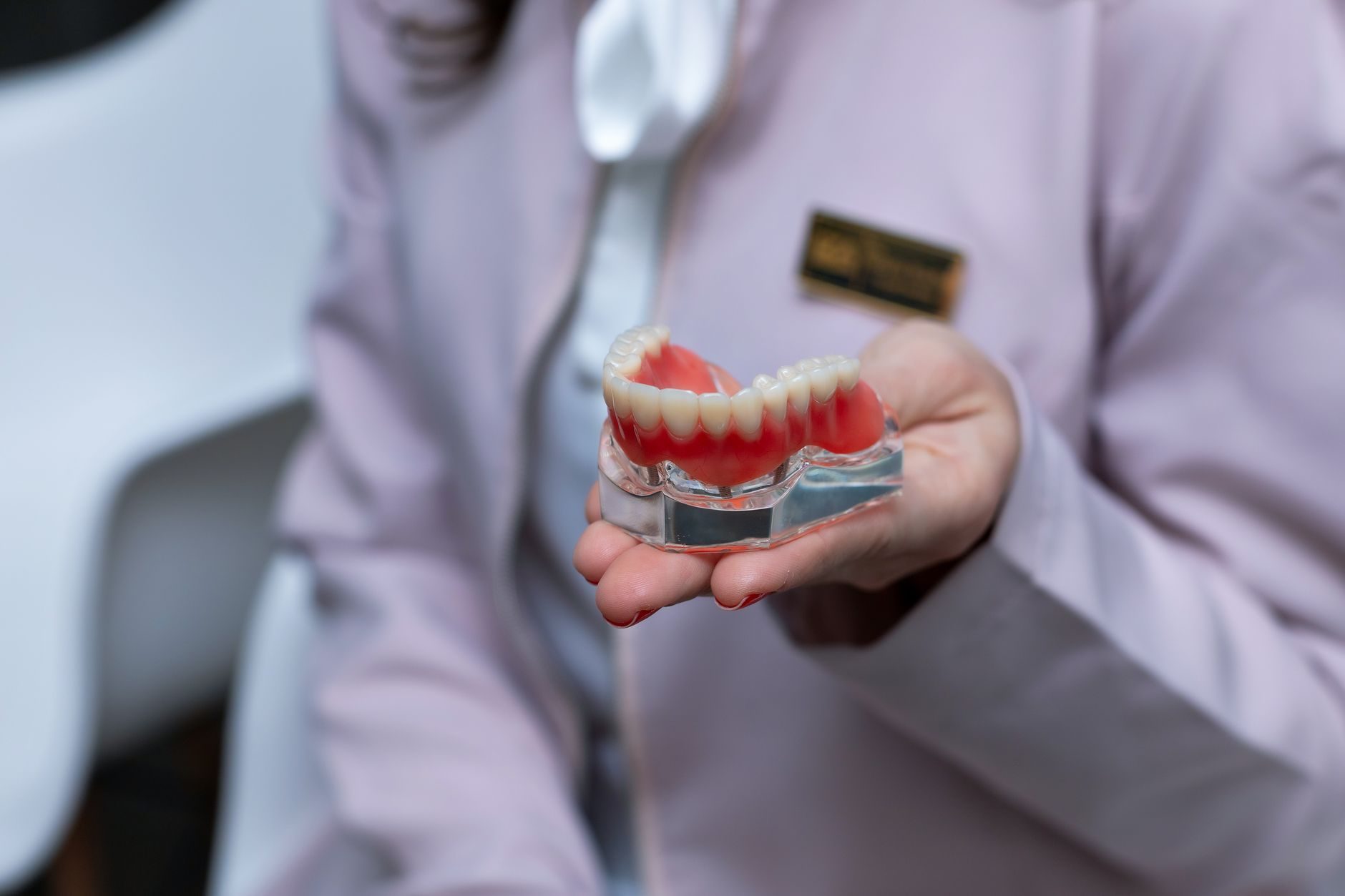
A snap-in denture is removable by the patient but connects to dental implants for additional stability. Special attachments help prevent sliding during speech and chewing, while allowing the prosthesis to be removed for thorough cleaning. It can offer a useful middle ground between a conventional full denture and a fixed screw-retained bridge. The same attachment system and implant number are not suitable for everyone: bone, bite forces, restorative space, dexterity and long-term hygiene all need to shape the design.
How does the attachment work?
Implants carry individual connectors or a bar, and matching components inside the denture engage with them when it is seated. The denture may still receive some support from the gum, depending on design. Locator-style, ball and bar systems differ in space requirements, retention, load distribution and maintenance. Implant placement should therefore begin with the intended denture position rather than being planned separately. See Crown Dental’s implant treatment overview for the wider context.
Who may benefit from a snap-in denture?
It may suit a fully edentulous person who wants more security than a conventional denture but accepts daily removal. It can also be considered where a fixed bridge would be difficult because of bone, hygiene access or cost. Active oral inflammation, uncontrolled medical conditions, heavy smoking and poor plaque control can increase complications. Limited hand strength or dexterity matters too, because the denture must be aligned and removed correctly. These practical factors should be tested before the definitive design is chosen.
Treatment from diagnosis to delivery
Assessment includes oral examination, imaging and analysis of the existing bite and denture. Implants are placed in restoratively planned positions and allowed to integrate. A provisional denture may be adjusted during healing. Once ready, an accurate impression or scan records the implants, followed by jaw registration and a tooth try-in. At delivery, retention is calibrated and the team demonstrates insertion, removal and cleaning. The timeline varies with bone, healing and whether extractions or grafting are required.
Benefits, limitations and maintenance
Snap-in dentures can markedly reduce movement, improve confidence and allow palatal coverage to be reduced in many upper-jaw cases. Because they are removable, all surfaces are accessible for cleaning. They do not feel identical to natural teeth or a rigid fixed bridge, and slight movement can occur. Attachment inserts intentionally wear and may need replacement. Changes in the ridge can also require relining. These are normal service needs rather than automatic treatment failure, provided the implants and tissues remain healthy.
What affects the cost?
The total reflects the number and type of implants, imaging, possible grafting or extractions, the attachment system, denture material, provisional treatment and follow-up. Existing implants can only be reused after their position, health and compatibility are confirmed. Crown Dental’s current price list gives general orientation; a written individual plan should identify every surgical and laboratory component. Ask about future insert replacement, professional cleaning, relines and repair options when comparing the long-term cost.
How to clean a snap-in denture
Remove the denture as instructed and brush all surfaces with appropriate products. Clean meticulously around implant heads or the bar using tools demonstrated by the hygienist. Hot water can deform the base and abrasive cleaners can scratch it. Do not lever the denture off at an angle or force it into place. Reviews assess the gum, bone, bite, screws and attachment wear. A sudden drop in retention, bleeding or soreness should be investigated early.
Frequently asked questions
How many implants are needed for a snap-in denture?
Requirements differ between the upper and lower jaw and between attachment systems. Imaging, bone quality and the planned load must determine the number rather than a universal rule.
Can I remove it myself?
Yes. Patient removal for cleaning is a defining feature. At delivery, the dental team teaches the correct straight-line technique so that the connectors and denture are not damaged.
Can it move while I eat?
Attachments greatly reduce movement, but some tissue-supported designs are not completely rigid. Excessive rocking can indicate worn inserts, ridge change or an imbalanced bite and should be reviewed.
How often are the inserts replaced?
There is no fixed interval for everyone. Wear depends on the system and how the denture is used. When retention weakens, the inserts can usually be checked and replaced during a routine visit.
Can a snap-in denture be relined or repaired?
Many designs can be relined and repaired, although implant position, material and available space affect the method. Only a dentist and dental technician should modify the base or attachments.
Compare removable and fixed implant teeth
Book a Crown Dental assessment through the online appointment page and review the denture options. After examination, you can compare realistic designs by stability, cleaning, treatment time, maintenance and total cost—not simply by the number of implants.
Let's take the first step towards your perfect smile!
Book an appointment for a specialist consultation where we answer all your questions and plan your new smile together.
Book Appointment