Palateless Dentures: A More Open and Stable Upper Denture
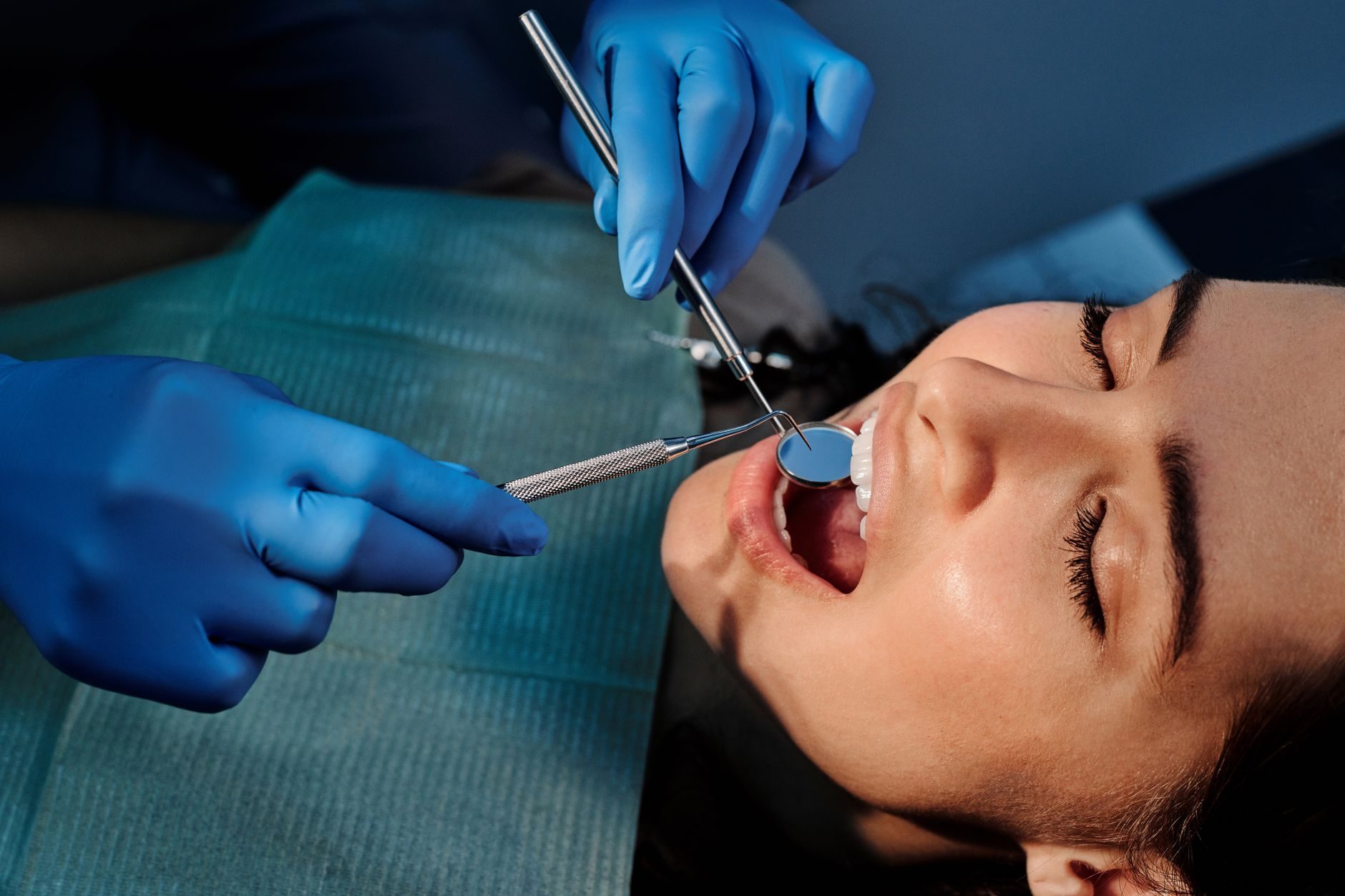
A conventional full upper denture normally covers the palate because this broad surface contributes to support and retention. Some wearers dislike that coverage because it can trigger gagging, alter speech or reduce the sensation of temperature and texture during meals. A palateless denture leaves most or all of that area open. In a completely edentulous upper jaw, dependable retention usually requires implants; simply cutting away the palate from an existing denture can make it unstable, fragile and damaging to the soft tissues.
Why does a conventional denture cover the palate?
An upper denture is retained by close adaptation to the tissues, a thin film of saliva, border seal and balanced muscular forces. Palatal coverage increases the supporting area and helps distribute pressure. Retention is affected by ridge shape, saliva, mobile tissue and the bite, so even an expertly made denture cannot create identical suction for everyone. If less coverage is desired, the dentist must assess the ridge, mucosa and available restorative space before deciding whether implants can safely replace the lost support.
Which palateless designs are available?
A common option is an implant-retained overdenture that attaches to individual connectors or a bar. It remains removable for cleaning but is held much more securely during function. With sufficient implants and appropriate anatomy, a screw-retained fixed full arch may be another option. The choice between dentures and implant-supported teeth depends on bone, lip support, smile line, manual dexterity and hygiene access—not only on a preference for “fixed” teeth.
Assessment and treatment stages
The first appointment examines oral tissues, ridge anatomy, the existing denture, jaw joints and bite. Implant planning normally involves panoramic imaging and often a CBCT scan. After surgery and healing, accurate implant impressions or scans are taken, followed by bite registration and a tooth try-in. These stages allow speech, facial support and appearance to be checked before completion. At delivery, the clinician adjusts the bite and retentive strength, then demonstrates insertion, removal and cleaning. Early review appointments are important because pressure areas may need careful adjustment.
Benefits and realistic compromises
Leaving the palate open may reduce gagging and make food temperature and texture feel more natural. Implant retention can make conversation and chewing more confident. The trade-offs are surgery, a longer process and more maintenance than many advertisements suggest. A removable overdenture must be taken out and cleaned daily, and its retentive inserts are wear parts. A fixed bridge also needs meticulous cleaning underneath. Neither design restores the exact sensation of natural teeth, and temporary dietary restrictions are needed while implants heal.
How much does a palateless denture cost?
The final amount is shaped by implant number, imaging, extractions, possible grafting, attachment type, denture material, provisional care and reviews. There is therefore no single responsible “palateless denture price” without an examination. Crown Dental’s current price list provides orientation, while an individual written plan should identify all surgical and laboratory components. Ask whether the quotation includes post-delivery adjustments and what future replacement of inserts, relining, professional cleaning or repairs may cost.
Daily care and adaptation
Remove an overdenture as instructed and clean both the tissue-facing surface and the implant connectors with the recommended tools. Avoid boiling water and abrasive household cleaners, which can distort or scratch the material. Clean the tongue and mucosa as well. Do not file a sore area at home; a small clinical adjustment can preserve the intended fit. Regular reviews monitor peri-implant tissues, bone, attachments and bite. A sudden loss of retention or persistent soreness warrants an appointment rather than increasing denture adhesive.
Frequently asked questions
Can I have a palateless upper denture without implants?
In rare favourable anatomy, palatal coverage may be reduced, but a completely open full upper denture without implants is usually unreliable. Examination is necessary before altering or replacing the denture.
How many implants are needed?
It depends on the upper jaw bone, attachment design and whether the restoration is removable or fixed. The number should be selected after imaging and a load-based restorative plan.
Does a removable palateless denture come out at night?
It is often removed overnight so tissues can rest, but individual advice may differ. A screw-retained fixed bridge remains in place and requires special cleaning beneath it.
Will taste return when the palate is uncovered?
Many people report a more natural eating experience, although taste is complex and complete improvement cannot be guaranteed. Dry mouth, medicines and smell also influence flavour perception.
Can my existing denture be converted?
Sometimes it can be modified as a provisional restoration, but a new implant-designed denture is often needed. Material thickness, bite, tooth position and space for attachments must all be evaluated.
Find out which retention method suits you
If palatal coverage makes your denture difficult to tolerate, do not modify it yourself. Book a comprehensive review through Crown Dental’s appointment page. The team can explain which removable or fixed design is supportable, cleanable and realistic for your anatomy.
Let's take the first step towards your perfect smile!
Book an appointment for a specialist consultation where we answer all your questions and plan your new smile together.
Book Appointment