The Orthodontic Treatment Process: From Consultation to Retention
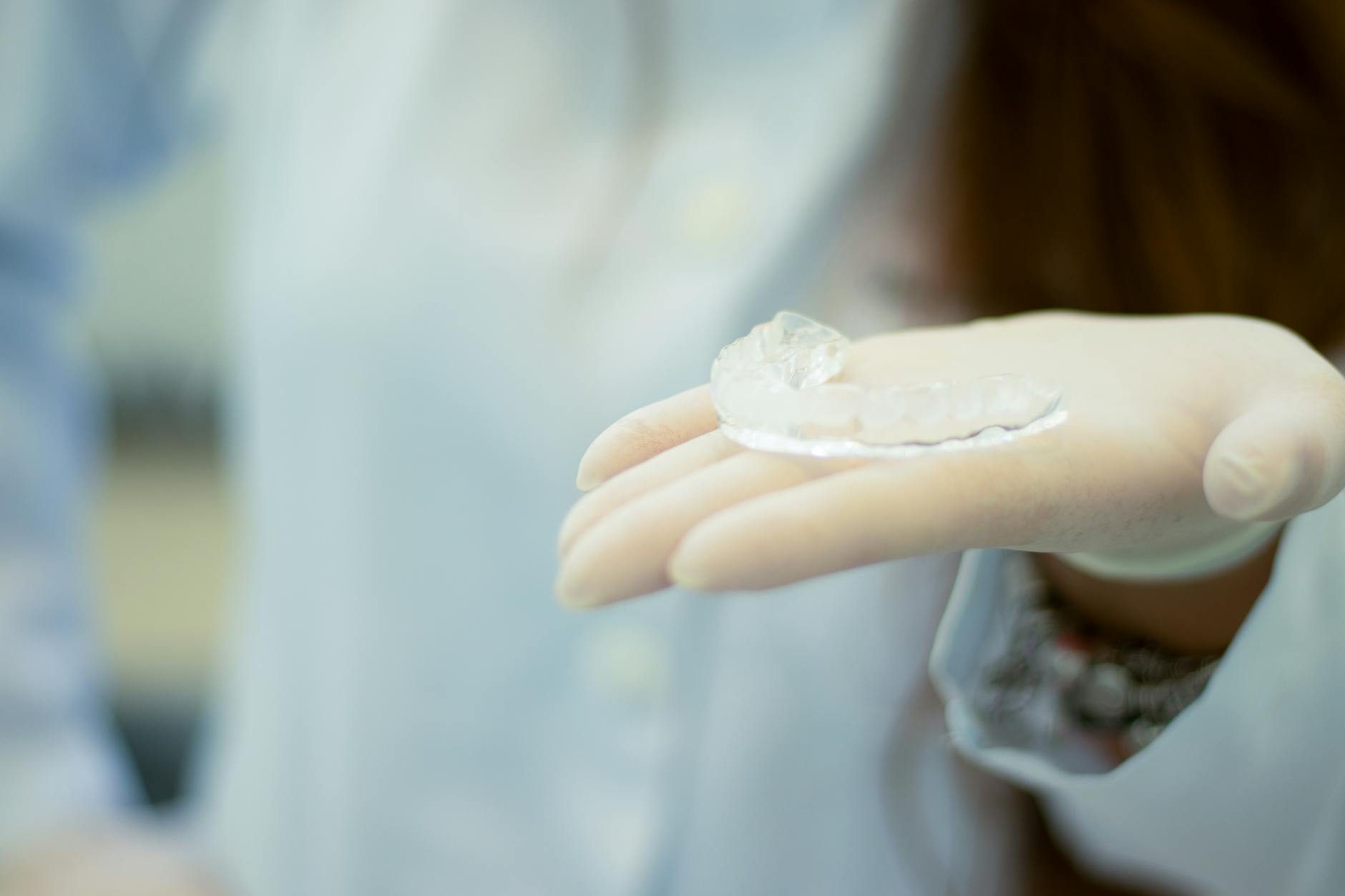
Orthodontic care is not a single procedure but a carefully planned process. The aim is broader than creating straighter-looking teeth: the orthodontist considers your bite, the relationship between the jaws, gum health, jaw-joint function and whether the final result can be cleaned and maintained. Every case has its own timeline, yet the main stages are predictable. Understanding them helps you prepare, ask informed questions and take an active role in treatment.
Initial examination and treatment goals
At the first consultation, the orthodontist examines the teeth, bite, facial proportions and jaw movement. Explain what concerns you, whether you have worn braces before, and whether any teeth are sensitive, restored or missing. Cosmetic preferences matter, but they are assessed alongside functional and health goals. Crown Dental's orthodontic treatment page provides an overview of options for children and adults.
Records, diagnosis and a personalised plan
Planning commonly involves photographs, impressions or a digital scan, a panoramic X-ray and a lateral cephalometric X-ray. These records show root positions, bone relationships and growth patterns that cannot be judged from the smile alone. The orthodontist then discusses suitable appliances, the estimated duration, whether extraction or other preliminary care might be needed, and the different cost components. A plan can only be finalised after assessment; two smiles that look similar may require very different mechanics.
Preparing the mouth and fitting the appliance
Active orthodontics should begin with treatable decay, gum inflammation and heavy calculus under control. With fixed braces, brackets are bonded to clean tooth surfaces and an archwire is placed. With a removable appliance or clear aligners, you receive detailed instructions about wear, insertion, removal and cleaning. Fitting itself is generally not painful, although pressure, tenderness while chewing and minor soft-tissue irritation can occur for a few days.
Active treatment and review appointments
Teeth move through small, controlled forces. During reviews, the clinician checks progress, adjusts the wire or elastics, or provides the next aligners. Appointment intervals depend on the appliance and stage. Patient cooperation makes a real difference: wearing an appliance and elastics as prescribed and attending reviews helps treatment remain predictable. With fixed braces, careful cleaning around brackets and the use of interdental aids are particularly important to reduce plaque accumulation.
How is the end of active treatment decided?
Braces are not removed only because the front teeth appear straight. Tooth positions, bite contacts and tissue health should meet the planned, clinically acceptable goals. Final records may be taken and the tooth surfaces are cleaned after removal. Occasionally, minor restorative or cosmetic refinements are considered at this point, but only after an individual dental assessment.
Retention protects the result
Teeth naturally tend to shift after movement, so retention is part of treatment rather than an optional extra. A retainer may be a fine wire bonded behind the teeth, a removable night-time tray, or both. Your orthodontist specifies how long and how often it should be worn, and later checks may still be advisable. A loose, broken or suddenly tight retainer should be reported promptly before noticeable relapse develops.
Frequently asked questions about orthodontic treatment
How long does orthodontic treatment take?
Many comprehensive treatments take roughly one to two years, but simpler and more complex cases can fall outside that range. Growth, the amount of movement needed, the chosen approach and patient cooperation all affect timing.
Does fitting braces hurt?
Fitting is normally painless. Pressure, chewing tenderness or rubbing may occur for several days afterward. Strong, worsening or persistent pain should be discussed with the treating team.
How often are review appointments needed?
They are usually scheduled every few weeks, although the exact interval depends on the appliance and treatment stage. Missing visits can delay progress and sometimes allow unwanted tooth movement.
Can I eat normally with braces?
Yes, with adjustments. Very hard or sticky foods can damage fixed braces, so cut food into smaller pieces and avoid biting directly into hard items. Thorough cleaning after meals is equally important.
What should I do if something breaks?
Contact the clinic and describe what happened. Orthodontic wax can temporarily cover a sharp wire, but cutting wires or using household glue is not recommended.
Do I really need a retainer?
Usually yes. Bone and soft tissues need time to adapt, and teeth may continue to shift throughout life. Following the prescribed retention plan substantially reduces avoidable relapse.
How to prepare for your first consultation
Bring previous dental X-rays and treatment records, a current medication list and details of allergies. Think about the change that matters most to you and any practical limits you would find difficult. Ask about clinically suitable alternatives, estimated stages, review frequency, retention and the components of the overall fee. Mention contact sport, wind instruments, frequent travel or an expected move, as these can affect appliance choice and follow-up. A written plan should describe aims as well as limitations. If a term is unclear, ask for a plain-language explanation; treatment is easier to sustain when you understand why each step is proposed.
Plan your next step
An examination is the only reliable way to identify the right appliance and realistic timeline for you. Explore Crown Dental's treatments and request a consultation through the online booking page. Your final recommendation and fee estimate will be based on diagnostic records and an individual treatment plan.
Let's take the first step towards your perfect smile!
Book an appointment for a specialist consultation where we answer all your questions and plan your new smile together.
Book Appointment