Modern Dentures: Natural Appearance and More Secure Retention
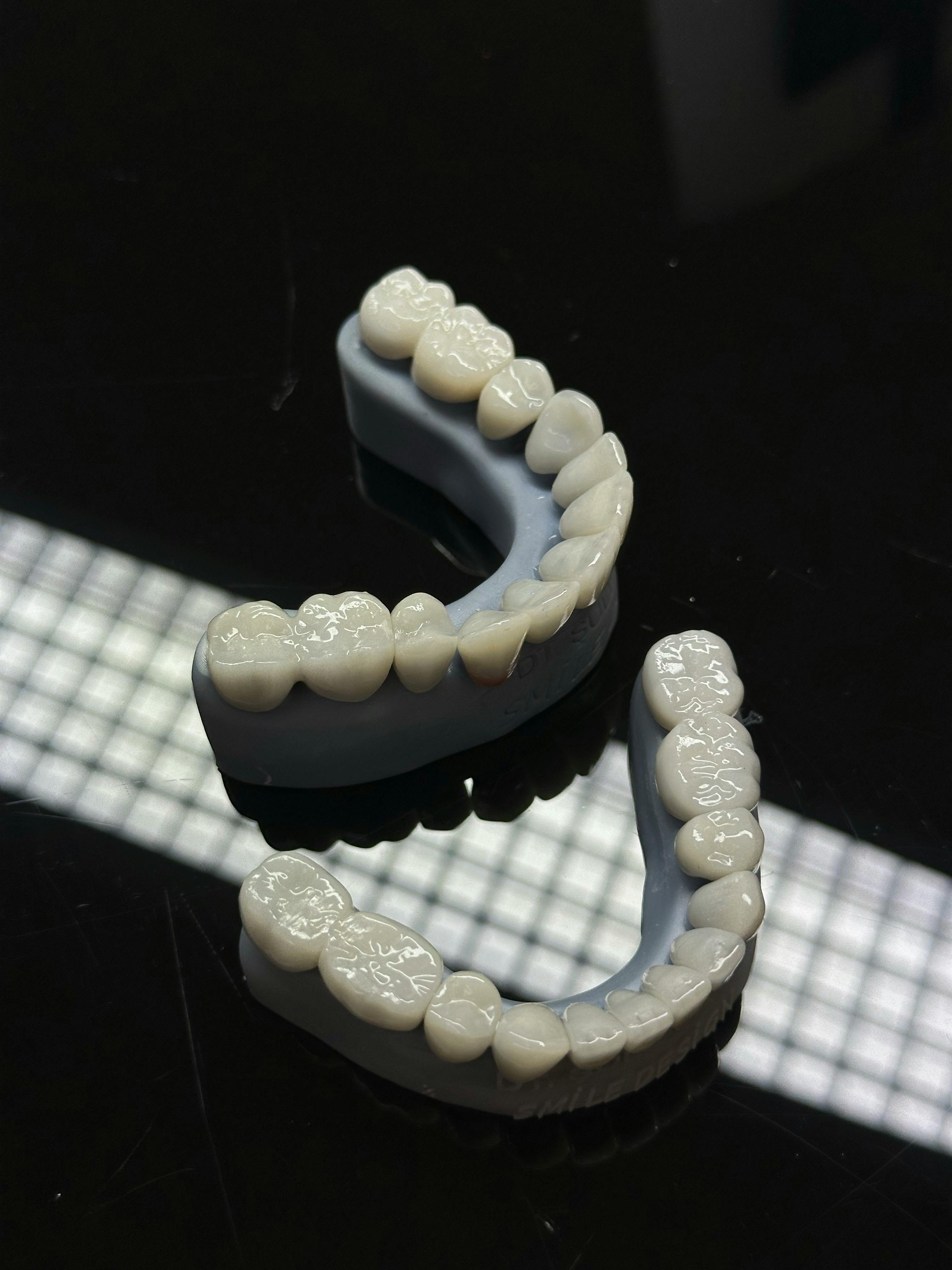
A modern denture is not a single branded product. It is the result of contemporary diagnostics, accurate clinical records, skilled laboratory work and, where appropriate, implant retention. Treatment should restore more than missing teeth: it should support chewing, speech, facial profile and a confident but believable smile. Digital scans and design can improve efficiency, while functional impressions and careful bite records remain essential in many edentulous mouths. The best combination depends on anatomy, hygiene access, expectations and a realistic maintenance budget.
Conventional, precision-retained or implant-supported?
A conventional complete denture rests on the oral tissues. Where some teeth remain, a partial acrylic or metal-framed denture, or a precision-retained combined restoration, may be possible. Implants can retain a removable overdenture or support a fixed screw-retained arch. These denture options differ in much more than whether they come out: they require different bone, restorative space, manual dexterity, cleaning routines and future servicing. A lower-cost removable design can be the safer long-term choice if a fixed restoration would be difficult to clean.
What creates a natural appearance?
Natural-looking dentures rely on tooth proportion, translucency, shade, arrangement and the contour of the gum-coloured base. The brightest and most perfectly straight teeth are not automatically the most convincing. During the try-in, the patient can evaluate lip support, smile line and speech before processing. Old photographs and details about the former teeth can guide the dentist and technician. Individualisation therefore comes from communication and testing, not simply choosing a premium tooth from a catalogue.
Digital dentistry: useful tool, not magic
Scanning and computer-aided design can shorten selected stages, store reproducible records and make future remanufacture easier. However, a mobile edentulous mucosa may still need a traditional functional impression to record tissues under controlled movement. Digital equipment cannot compensate for an incorrect bite or inadequate border extension. Ask how the workflow fits your anatomy and how the dentist and technician verify speech, aesthetics and function, rather than judging quality by the word “digital” alone.
Comfort, chewing and the adaptation period
Even a carefully made denture feels new at first. Temporary extra saliva, small speech changes and limited tender areas can occur. Softer food, small pieces, bilateral chewing and reading aloud often help adaptation. Persistent wounds, sharp pain or major instability should be reviewed rather than endured. Implant retention can improve confidence, but it does not remove the need for a balanced bite and healthy tissues. Follow-up adjustments are a planned part of treatment, not necessarily evidence of poor workmanship.
What does a modern denture cost?
Cost varies with the type and extent of tooth loss, base and tooth materials, impression method, try-ins, attachments, implants and preparatory care. “Modern” is not a defined price category, so an online package cannot provide a reliable personal total. Use Crown Dental’s current price list for general orientation and request an itemised treatment plan after examination. Include the likely cost of relines, attachment inserts, professional cleaning and repairs when comparing the long-term value of different designs.
Protecting the result
Remove and clean a removable denture every day, including its tissue surface, while also cleaning the tongue and oral mucosa. Implant connectors require meticulous plaque removal. Avoid boiling water, abrasive products and home repair adhesives. Reviews remain necessary even without pain because the ridge can resorb, teeth can wear and attachments can loosen. Early adjustment often prevents a crack, persistent ulcer or overloaded implant from becoming a much larger problem.
Frequently asked questions
Is a digitally made denture always better?
No single workflow is best for every mouth. Digital methods can be efficient and reproducible, while mobile tissues may require conventional impressions. Clinical accuracy and bite verification matter most.
Can dentures look genuinely natural?
Yes. Tooth shape, subtle shade, arrangement, gum contour and lip support can be personalised. Photographs and a proper try-in help create a result that suits the face rather than looking generic.
Are all modern upper dentures palateless?
No. A conventional full upper denture often needs palatal coverage for retention. A reliably open palate normally requires appropriate implant support.
How long does treatment take?
It depends on the design, healing and number of try-ins. A straightforward removable denture is faster than an implant rehabilitation, which may extend over several months.
When should a denture be replaced?
There is no universal expiry date. Worn teeth, declining retention, fractures, facial changes or recurring tissue problems require assessment; sometimes repair or relining is sufficient.
Plan a denture that fits your priorities
Review Crown Dental’s treatment options and book an assessment through the online form. You can then compare conventional, snap-in and fixed designs in terms of comfort, hygiene, treatment time, maintenance and total expected cost.
Let's take the first step towards your perfect smile!
Book an appointment for a specialist consultation where we answer all your questions and plan your new smile together.
Book Appointment