Master Craftsmanship at the Top: The Story of Crown Dental
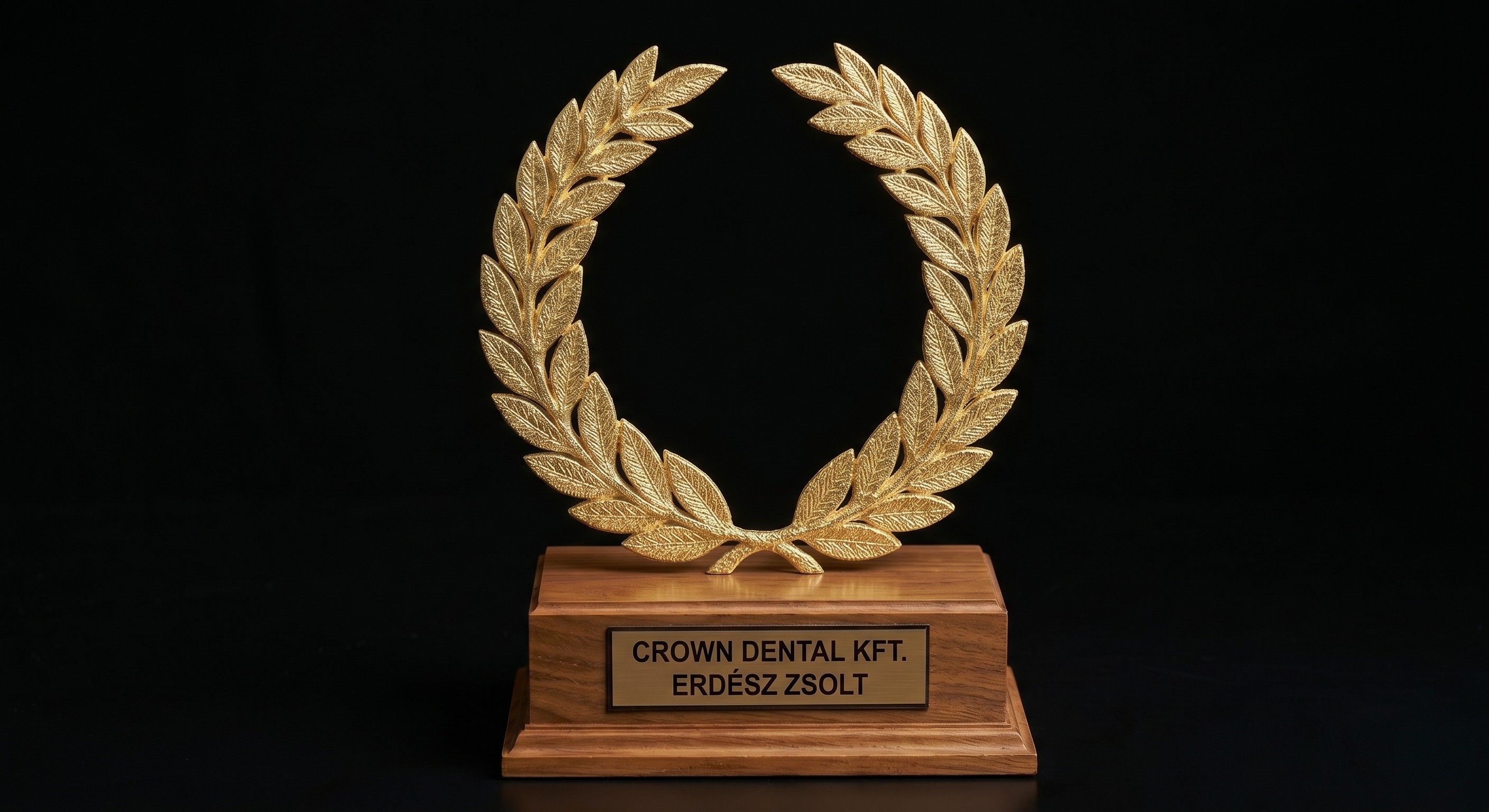
Crown Dental's story began in Esztergom in 1994 with a clear idea: dental treatment and laboratory craftsmanship should work as one team. More than three decades later, that principle still shapes every crown, bridge, denture and implant restoration.
From laboratory roots to integrated dentistry
The practice grew from strong dental-technology foundations. Direct cooperation between dentist and technician helps translate clinical needs into precise form, shade and bite. Learn more about Crown Dental and its team.
What master craftsmanship means
A master title reflects advanced professional knowledge, years of practical experience and responsibility for quality. In everyday work it appears in careful planning, material selection, detailed finishing and the willingness to correct even small imperfections.
- individual shade and shape design,
- precise fit and functional bite,
- direct communication with the treating dentist,
- continuous professional development.
Traditional skill and digital technology
Hand craftsmanship remains essential, but modern CAD/CAM design, digital scanning and precise milling expand what is possible. The goal is not technology for its own sake; it is a more predictable, comfortable and aesthetic result for the patient.
Why an on-site dental laboratory matters
When the laboratory is part of the clinic, questions about colour, contour and comfort can be resolved directly. This is especially valuable for crowns, bridges, dentures and implant restorations.
Care built around the patient
Good dentistry starts with listening. Patients receive an understandable plan, transparent price information and follow-up. Weekend opening and easy access from Štúrovo make the Esztergom clinic convenient for families and international patients.
The next chapter
Crown Dental continues to invest in diagnostics, digital workflows and professional education while protecting the values that built the practice: precision, honesty and responsibility. Visit the Esztergom clinic page or request an appointment.
From dental technology to coordinated patient care
Crown Dental’s development is closely connected to dental technology. Restorative treatment succeeds when clinical diagnosis, tooth preparation, digital or conventional records, material selection and laboratory production follow the same plan. Bringing these conversations closer together helps the dentist and technician resolve practical questions before a restoration reaches the patient.
An on-site laboratory is not a promise that every case will be completed immediately. Its practical value lies in direct communication, supervised try-ins and the ability to assess shade, form and fit with the clinical situation in view. Complex work still requires enough time for accurate planning, manufacturing and quality control.
What quality control means in everyday work
Quality control starts before manufacturing. The team checks whether the treatment plan, records and requested restoration are consistent. During production, contacts, bite, margins, surface and shade are assessed at the appropriate stages. At delivery, the dentist evaluates the restoration in the mouth and makes the final clinical decision.
Digital tools can improve communication and repeatability, but they do not remove the need for professional judgement. Scans, photographs and design files are most useful when they support a clearly defined clinical objective and are combined with a careful try-in.
Supporting patients who travel for treatment
International care requires more than translation. Patients need a realistic sequence of appointments, clear cost information, instructions they can follow after returning home and a plan for reviews. Crown Dental asks travelling patients to share available records in advance and then confirms the definitive plan after personal examination.
The team avoids promising a fixed outcome or timetable before the clinical situation is known. Transparent limitations are part of professional communication, particularly when healing time, laboratory stages or additional procedures may change the schedule.
A practical approach to long-term development
The clinic’s direction is to combine accessible cross-border care with coordinated dentistry and dental technology. New equipment and workflows are valuable when they make diagnosis clearer, treatment more predictable or communication easier. The guiding principle remains the same: the proposed solution should match the patient’s condition, maintenance ability and realistic expectations.
How clinical and laboratory feedback improves a restoration
A restoration may need adjustment during a try-in even when the digital design is technically correct. The mouth provides information that a screen cannot fully reproduce: the way the patient speaks, the movement of the lips, the relationship with neighbouring teeth and the comfort of the bite. Direct feedback between clinician and technician allows these observations to be incorporated before final completion.
This workflow is particularly useful when matching a visible front tooth or coordinating several restorations. It does not eliminate biological limits or guarantee a perfect result, but it creates more opportunities to identify correctable issues at the appropriate stage. Patients also benefit from understanding why a careful try-in may be more valuable than the fastest possible delivery.
Let's take the first step towards your perfect smile!
Book an appointment for a specialist consultation where we answer all your questions and plan your new smile together.
Book Appointment