How Much Do Dentures Cost in Hungary in 2026? Price Guide
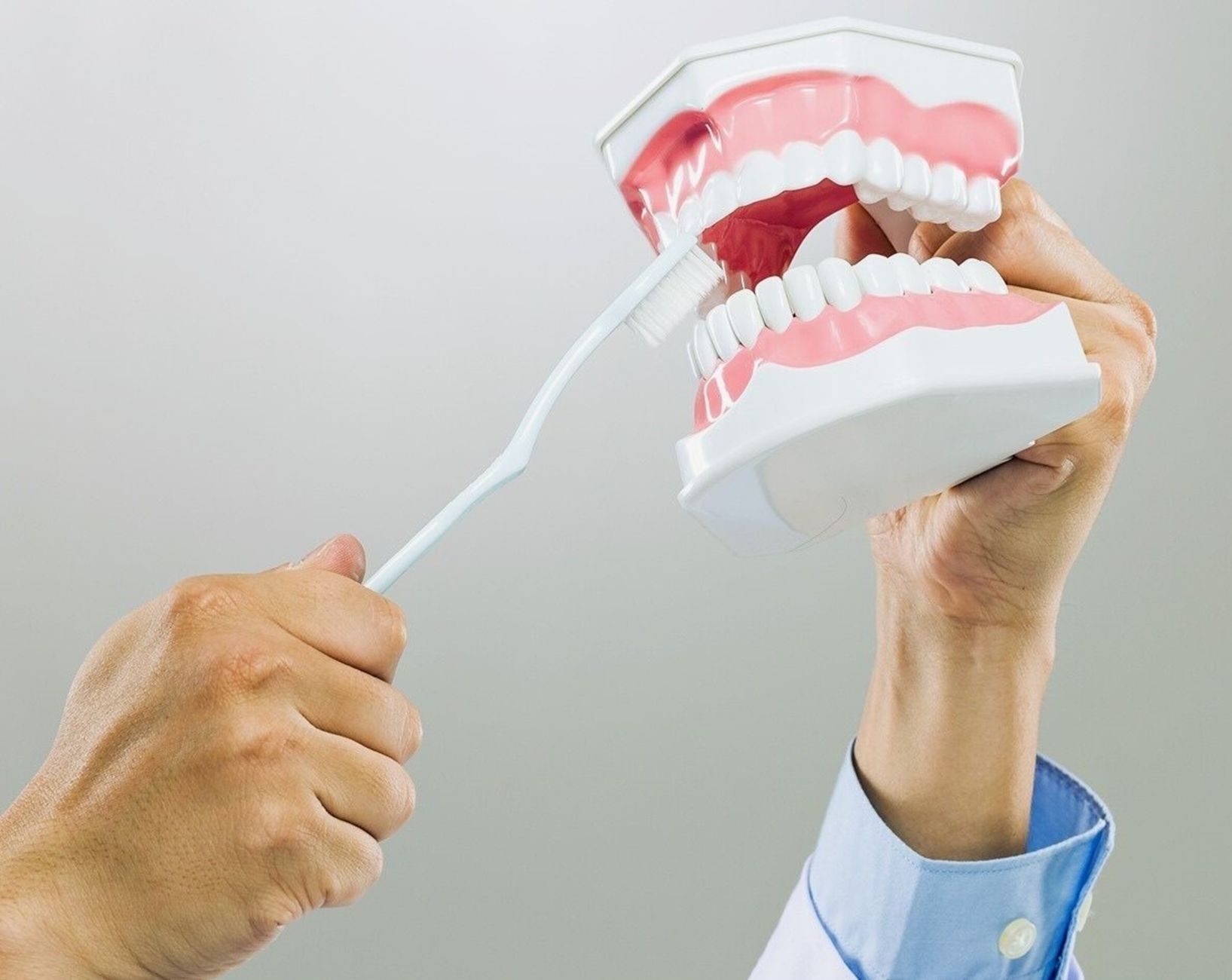
“Artificial teeth cost” can refer to a crown, bridge, partial or full denture, or an implant-supported solution. Removable dentures at Crown Dental start from 110,000 HUF per arch, while the final total depends on tooth loss and material.
What types of dentures are available?
- Conventional removable denture: economical full-arch option.
- Metal-base denture: thinner and more stable framework.
- Snap-on denture: attaches to implants.
- Fixed implant bridge: non-removable, high stability.
Explore our denture solutions.
Indicative starting prices in 2026
Composite removable dentures start from 110,000 HUF, metal-base dentures from 150,000 HUF and relining from 25,000 HUF. Implant placement starts from 190,000 HUF; full implant-supported treatment needs an individual plan.
What affects the total?
The number of missing teeth, jaw condition, number of implants, bone grafting, material and temporary restoration all matter. Compare major items in the current price list.
Which option is best?
If affordability and simple cleaning are priorities, a removable denture may fit. For greater stability, consider snap-on or fixed implant treatment. Read the best tooth replacement guide.
On-site laboratory and precise fit
Crown Dental's own technicians work directly with the dentist to refine shape, shade and bite. This also supports efficient later adjustments and repairs.
Frequently asked questions
Can dentures be made in one day? Some temporary solutions are quick, but a high-quality final denture needs several stages.
Can an old denture be repaired? Often yes, after assessment.
What determines the total cost of dentures?
The price depends on whether a complete or partial removable denture is required, the base and tooth materials, the condition of any remaining teeth and whether extractions or gum treatment are needed. An implant-retained denture requires a different surgical and technical plan, so its cost should not be compared directly with that of a conventional removable denture.
When comparing quotations, check whether the examination, impressions or digital records, try-in appointments, delivery and necessary adjustments are included. Accurate fit requires several clinical and laboratory stages. The final result depends not only on the material but also on careful planning and precise dental-technical work.
How is a new denture made?
The first examination assesses the oral mucosa, jaw ridge and any remaining teeth. This is followed by preliminary and, where appropriate, functional impressions, registration of the bite and a tooth try-in. The try-in allows the tooth colour, shape, smile line and speech to be checked before the denture is finished.
After recent extractions, the gum and bone can continue to change for several months. A temporary denture, relining or later replacement may therefore be needed. A realistic treatment plan should include this adaptation period rather than treating the first fit as the final stage.
Adapting to and caring for a new denture
In the first days, salivation may increase, speech may feel different and small pressure areas may develop. Softer foods, smaller bites and chewing on both sides can make adaptation easier. A persistently painful spot should not be adjusted at home; a professional correction protects the fit of the denture.
Clean the denture every day with a suitable non-abrasive product, and continue cleaning the tongue, gums and any remaining teeth. Regular reviews remain important even without symptoms because the shape of the supporting tissues changes over time.
When can implants improve stability?
If a well-designed lower denture still moves significantly, an implant-retained option may improve stability. Bone availability, general health, cleanability and the patient’s budget must all be assessed separately. The appropriate solution should be selected after examination, not from a price list alone.
If a denture cracks, breaks or loses a tooth, avoid household adhesives while waiting for assessment. An inaccurate home repair can alter the bite and make professional laboratory repair more difficult. Keep any broken pieces and tell the clinic when the denture was made and whether it has previously been relined or repaired. These details help determine whether repair or replacement is the more predictable option.
What longer-term costs should be considered?
Over time, the overall cost may include adjustments, relining, professional cleaning or repair of a damaged component. The need for these services depends on use, tissue changes and home care. The lowest initial price is not necessarily the best value if it includes fewer try-ins, limited adjustment or little follow-up. Ask about review appointments and future repair arrangements when requesting the original quotation.
There is no single fixed lifespan that applies to every denture. Arrange a review if it becomes loose, rocks during chewing, creates sores, changes the bite or makes eating more difficult. A persistently poor fit is not only uncomfortable; it can irritate the supporting tissues and encourage one-sided chewing.
Let's take the first step towards your perfect smile!
Book an appointment for a specialist consultation where we answer all your questions and plan your new smile together.
Book Appointment