How Dentists and Dental Technicians Create Better Restorations
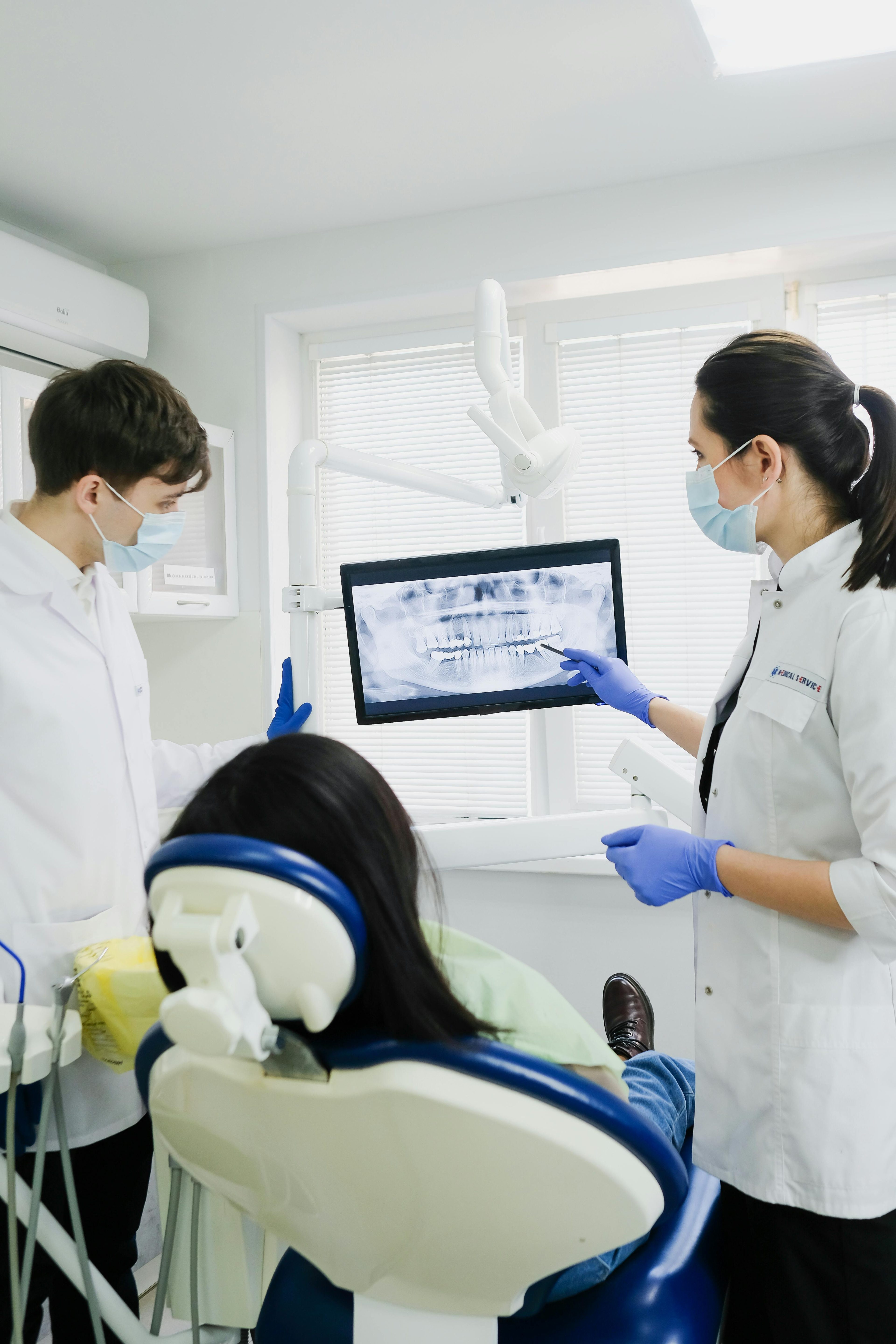
A well-functioning crown, bridge or implant restoration is the product of two coordinated professions. The dentist examines and treats the patient, prepares the tooth or implant environment and checks the work in the mouth. The dental technician designs and manufactures an individual restoration from the information provided. The result is most likely to be accurate, natural-looking and maintainable when both professionals work towards the same goals and important details pass clearly between them.
What is the dentist responsible for?
The dentist is responsible for diagnosis and clinical decisions. They assess the teeth, gums, bone and bite, arrange imaging when appropriate and explain the treatment alternatives. They decide whether a tooth is maintainable, which preparatory treatment is required and what kind of restoration may be suitable. For a crown or bridge, the dentist prepares the supporting teeth, manages the soft tissues, records a scan or impression, then evaluates and fits the restoration in the mouth.
What does the dental technician contribute?
The technician does not directly treat the tooth. They use the clinical information to create the custom restoration. This involves designing anatomy, contact points, material thickness and surface texture. Shade, translucency and character are matched to natural teeth while manufacturing limits and functional loads are respected. For implant work, the technical task can also include the abutment design, access channel and future serviceability.
What information supports an accurate result?
- a precise digital scan or distortion-free impression;
- a reliable record of the bite;
- high-quality photographs and shade information;
- clear instructions about material, form and function;
- documented individual needs and expectations.
The technician can only work with what the clinical team records accurately. An impression must show the preparation margin, while the bite record needs to represent the true jaw relationship. In the aesthetic zone, a single shade code is often insufficient. Photographs and information about surface texture, lip line and proportions help the laboratory understand the complete visual task.
Digital tools and human judgement
Intraoral scanners, computer-aided design and precision manufacturing can make information transfer faster and easier to review. Technology does not replace diagnosis or aesthetic judgement. A design that seems correct on screen can still affect speech or bite in the mouth, so clinical try-in remains important. The digital workflow is particularly useful because proposed modifications can be shared unambiguously across the team.
What happens at the try-in?
The dentist checks the restoration's margins, stability, contacts with neighbouring teeth and bite. For aesthetic work, the patient's feedback about shape and shade also matters. If correction is needed, the laboratory receives a specific description rather than a vague statement that the crown does not fit. An additional try-in can be safer than permanently fitting a compromised restoration.
Why is cleanability part of the design?
Even an attractive restoration is unsuitable if plaque cannot be removed around it. The dentist establishes clinically appropriate margins, and the technician shapes contours and spaces to support the gums while leaving access for hygiene. The patient then needs to learn the correct home technique. This is especially important around implants; the implant treatment page provides further context.
Explore Crown Dental's available treatments. The material, workflow and fee depend on the individual case, so current official information and the plan produced after assessment should guide decisions.
The patient is part of the team
The patient's role extends beyond attending appointments. They should explain what concerns them, what looks natural to them and which compromises they do not wish to accept. An older photograph may help illustrate previous tooth shape, although an exact recreation may not be anatomically possible. During a try-in, it is useful to notice speech, lip support, smile proportions and the feeling of the bite. Feedback is most useful when it is specific. The dentist must distinguish an aesthetic request that can be changed safely from one that would compromise function, strength or cleanability.
Frequently asked questions about the dental team
Does the patient meet the dental technician?
It is not necessary in every case. For complex aesthetic work, direct shade selection or a personal discussion can provide valuable information.
Who chooses the crown material?
The dentist recommends options based on clinical needs, the technician contributes manufacturing and aesthetic insight, and the patient receives an explanation of the alternatives.
Why might a scan or impression be repeated?
If a margin is unclear, data are incomplete or the bite record is uncertain, repeating it provides a safer basis for an accurate restoration.
Who adjusts the bite?
The dentist checks and makes minor adjustments in the mouth. A larger discrepancy may require the restoration to return to the laboratory.
What happens if the shade is not right?
The clinic documents the difference and the technician may alter surface colour, layering or remake the restoration, depending on the material and situation.
Would you like a carefully coordinated restoration? Request an assessment at the Crown Dental clinic in Esztergom through the online booking page.
Let's take the first step towards your perfect smile!
Book an appointment for a specialist consultation where we answer all your questions and plan your new smile together.
Book Appointment